

Body Cameras 101: What They Are, Who Wears Them, and What's popular




Body Camera
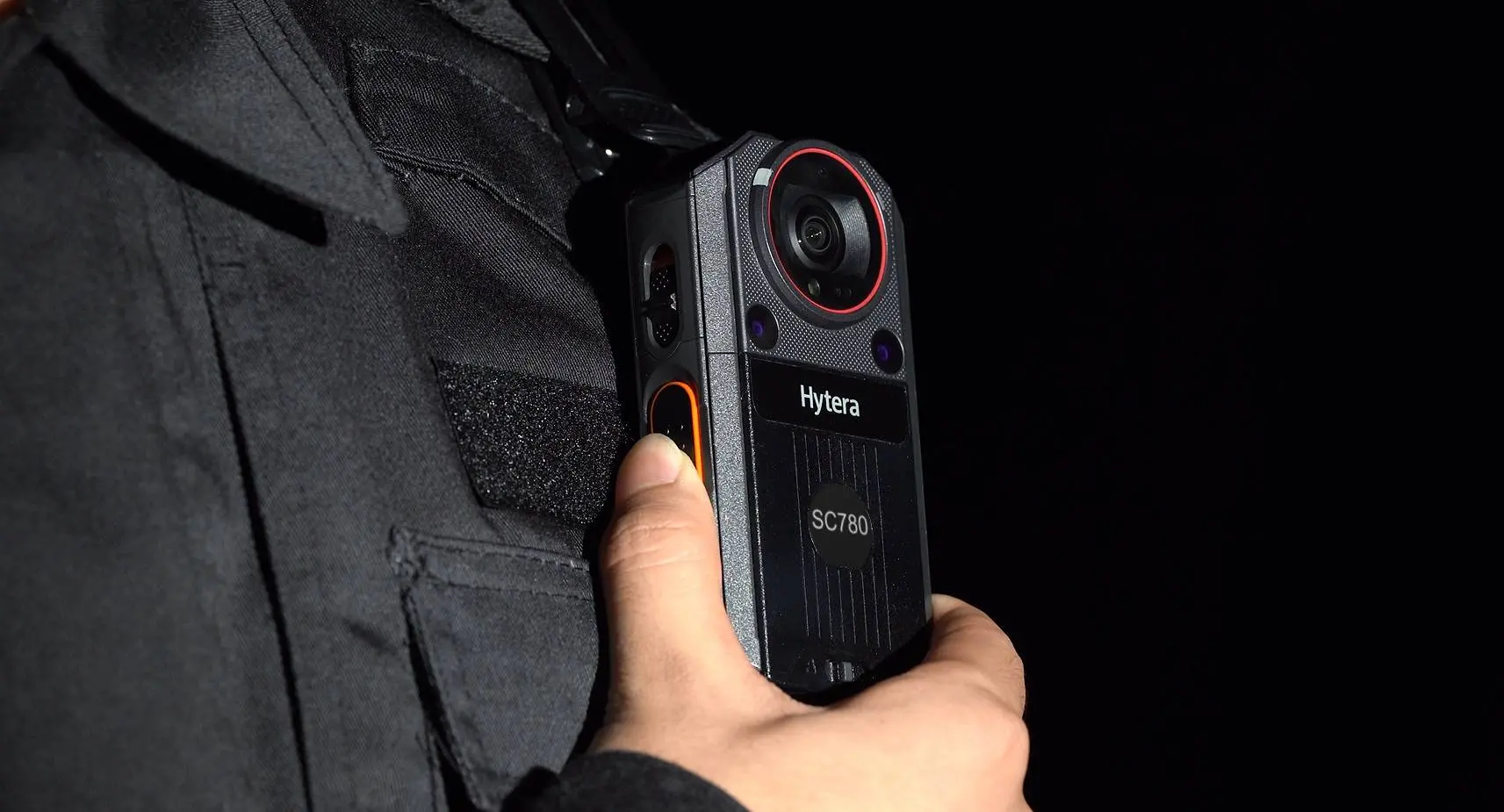
Want a simple way to understand body cameras? Think of a body camera like a small camera you clip to your shirt. It records video and sound while you're working. Besides, they carry legal evidence, and recording usually happens only after consent is given or under specific approved conditions. Access to the footage is also strictly controlled, so only authorized and licensed personnel can view, manage, or export the data. This helps protect privacy while keeping records reliable.
Now, let's keep it easy and move step by step per below topics:
- What is body camera?
- Walmart's employee body‑camera pilot
- What is difference between video recording and evidence?
- Why is body cameras so important?
- Who and where to use body cameras?
- Is license required?
- What Hytera body cameras are popular?
- Tips for beginners
What is a body camera?
A body-worn camera is a small device worn on the chest or shoulder, often clipped onto a uniform. With a simple press of a button, it can record both video and audio. Some models can also stream live video over cellular networks like LTE or 5G, so teams or command centers can see what's happening in real time. After recording, footage is uploaded through a docking station or network connection to a secure Digital Evidence Management (DEM) platform, where it is encrypted, stored, and managed safely.
Many body-worn cameras support clear full HD video, steady recording with built-in stabilization, and night vision for low-light scenes. They also use strong encryption to protect data, smart scene detection to capture key moments, and NFC for quick user ID switching. Some models can even stream live video straight to a command center or other authorized devices.Most importantly, they also work as a communication tool, once you press the PTT button, you can talk instantly with your team.
Walmart's employee body‑camera pilot
Several news outlets reported that Walmart tested body cameras with store employees in select locations, focusing on worker safety and de‑escalation (late 2024). One clear summary: CBS News reported Walmart testing body cameras for store employees and noted the safety context and limited details.
What can we learn? Pilots like this often start small. Staff are told when to record and where not to (for example, private areas). Signs may help customers understand when recording is happening. The goal is usually to keep people safe, document tough moments, and train teams better. Next, let's talk about features that are popular now.
What is difference between video recording and evidence?
A lot of people get confused when they compare body cameras with tools like smartphones, action cameras, or GoPros. They all record video, so they seem the same at first. But the real difference isn't the camera itself — it's the difference between recording and evidence.
Video recording is simply data or material that captures what happened. Evidence, on the other hand, is a legal status given to that material. Not every video can qualify as evidence. To be legally valid, it must follow strict procedures, protect data integrity, and meet compliance rules. That means controlled access, secure storage, and clear proof the footage hasn't been changed. When all of that is in place, a recording can move from “just a video” to trusted legal evidence.It is the finished statue that has been authenticated, validated, and accepted by a court of law. A video only becomes evidence when it is transformed into a verifiable, court-admissible asset through strict handling protocols and tamper-proof authentication.
Here is a general comparison between these two concepts.
| Features | Video Recording | Evidence(as a video) |
| Definition | Recorded Data that contains images and sound. | A video legally used in investigation or procedures. |
| Purpose | Used to document,create,share or monitor events,mainly just for viewing, not for legal use. | Used as an official exhibit,usually classified as audiovisual or digital evidence. |
|
What matters most |
Its content (quality, creativity, information). |
Its credibility and probative value within the legal framework. |
| Metadata and protection |
Limited metadata,such as file name,creation date, or basic device info. |
Richer and protected metadata used to prove authenticity, such as: • Device ID (Unique identifier of the camera). • Operator ID (Unique identifier of the user/officer). • Cryptographic Hash Value (e.g., SHA-256) to detect any alteration. • Timestamp and GPS coordinates. |
In short, any video can contain information, but only video with a secure chain of custody and authentication metadata can stand as proof in court.
Why is body-worn cameras important?
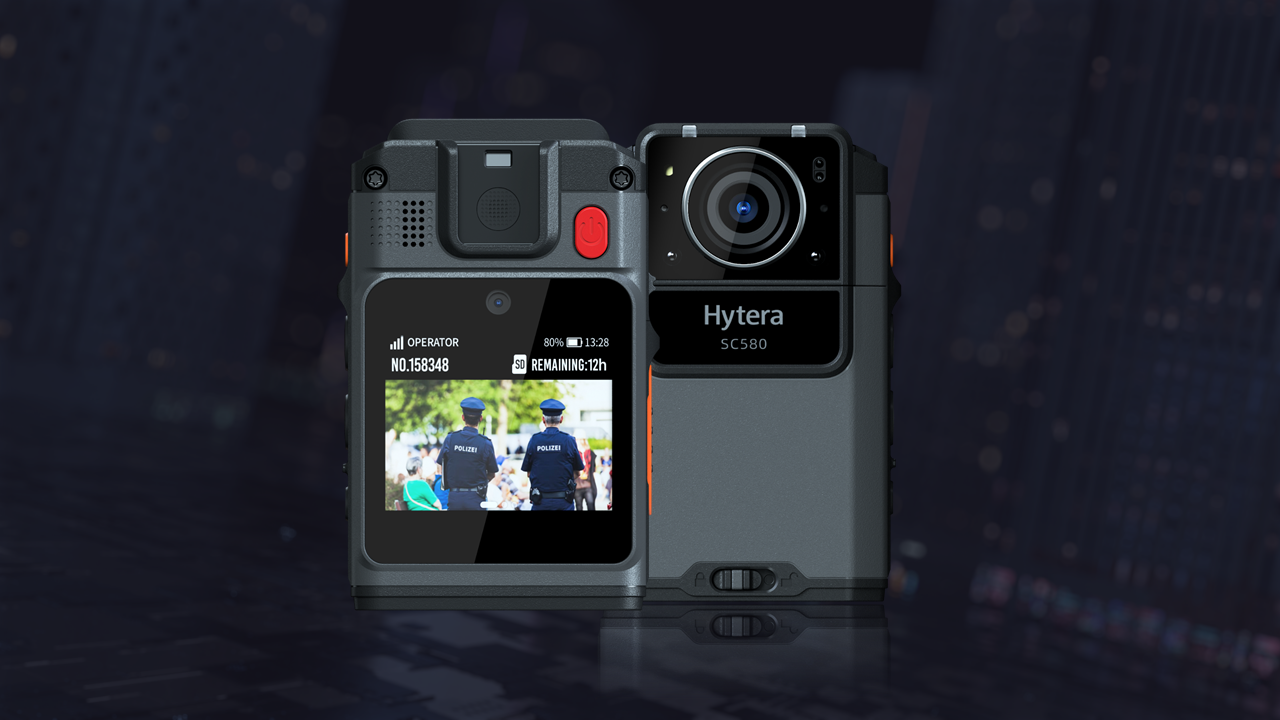
Body cameras are important because they act as a mobile, always-on witness in the field. Here's what they could provide and what makes they important:
Witness the Truth: It's like having an impartial witness on your shoulder. The camera records exactly what happens—the sights and sounds—creating a clear record to protect everyone involved and resolve disagreements fairly.
Safe & Organized Evidence: All that important video isn't just stored on the camera. It is securely delivered to a Digital Evidence Management (DEM) platform. This acts like a locked digital library, keeping footage safe, organized, and easy to find for investigations or legal needs, ensuring the evidence can't be tampered with.
Capture & Share the Scene Instantly: Command centers don't have to wonder what's happening. They can watch the real-time scene live from the body camera. This "eyes-on-scene" view helps them make better decisions, coordinate backup, and provide timely support exactly where it's needed.
Stay Instantly Connected: Most body cameras are also smart communication devices. With a large PTT (Push-to-Talk) button, you can talk to your team instantly in an emergency—no need to fumble for a separate radio. It combines live video and instant talk in one rugged device, keeping you connected when it matters most.
Who and where to use body cameras?
Body cameras are used in many jobs where there is a need to record what happens. The table below shows common real-life examples.
| Job / Occupation | Where It's Used | Why It's Helpful |
| Police Officers | During traffic stops, arrests, or when talking to people on the street. | It acts like a neutral witness. It records the facts, which helps clear up arguments, proves what was said, and keeps things fair for both the officer and the public. |
| Security Guards |
While patrolling malls, buildings, or events, and when dealing with a problem person. |
It captures proof. If there's a theft, fight, or complaint, the video shows what really occurred. This protects the guard from false claims and helps with reports. |
| Retail & Store Staff |
When dealing with a very angry customer or when someone is suspected of shoplifting. |
It helps resolve "he said, she said" arguments. The video doesn't lie, so it protects employees and provides clear evidence for managers or police. |
| Healthcare Workers |
By hospital security in busy emergency rooms or when a patient or visitor becomes violent. |
It keeps staff safer. The camera can calm aggressive people and provides crucial video evidence if an assault happens. |
| Transport & City Workers | By train conductors, parking officers, or inspectors doing their rounds in the community. |
It provides a record of events. It can prove a parking violation was correct or document damage or unsafe conditions the worker found. |
In all these jobs, the body camera is like a truth-telling tool on your shoulder. It turns confusing arguments into clear facts, making things safer and more professional for everyone.
Is license required?
Here's the simple answer: No, you don't need a special license to buy or wear a body camera. However, accessing and handling the recorded footage — such as through a Digital Evidence Management platform — involves important rules and regulations.
Think of it like a car: anyone can buy one, but to drive it legally on public roads, you need a driver's license and must follow all traffic rules.
You must also follow strict regulations for storing, managing, and sharing video evidence. This ensures the footage is legally valid and protects individual privacy. Key rules generally include:
Secure Storage: Footage must be uploaded to a secure, encrypted system(eg.Digital Evidence Management platform) where it cannot be easily deleted or altered.
Controlled Access: There must be clear rules and logs recording who can view the footage.
Privacy Protection: Laws often dictate how long footage is kept and require blurring faces or personal information before public sharing.
Proper Use Policies: Organizations should have clear policies on when to record and how the footage can be used.
In short: Owning the camera requires no license, but using its connected features and managing the data responsibly involves following specific licensing rules and legal regulations.
What Hytera body cameras are popular?
Hytera is a well-known provider in the body camera market, offering a series of products designed for different professional needs. Here is a comparison of some of their popular models and their key features.
| Features | GC550 | SC580 | SC780 | SC880 |
| PTT Button | No | Yes | Yes | Yes |
| Weight | 116g | 160g | 180g | 180g |
| Screen | 2.0-inch | 2.0-inch | 2.4-inch | 2.4-inch |
| Battery Life | 9 hours | 10 hours | 13 hours | 12 hours |
| Max. Storage | 256 GB | 256 GB | 256 GB | 256 GB |
| Video Resolution | 2K | 1080p | 2K | 4K |
| Field of View | 124° | 130° | 130° | 130° |
| Pre/Post-recording | 10s | 120s | 120s | 120s |
| AES-256 Encryption | Yes | Yes | Yes | Yes |
| Image Stabilization | EIS | EIS | EIS | |
| Visualied Comm and Dispatch | Yes | Yes | Yes | |
| NFC | NFC | NFC | ||
| Intelligent Scene Aware | Yes | Yes | ||
| Face recognition | Yes | Yes | ||
| Team Sync | Yes | Yes |
As different roles have different requirements for features like video stability, live streaming, or sensor alerts, it's important to carefully assess your team's specific needs when selecting the right product.
5Key tips to remember before using your body Cameras
Before you press record, keeping these simple tips in mind will help you use the camera correctly and respectfully.
Know Your "When": Your camera isn't for recording your entire shift. Know your policy—turn it on for public interactions, calls, or when a situation feels like it could escalate.
Announce When Required: If your local rules say to, clearly state "I am now recording" when you activate the camera. This maintains transparency.
Respect Private Spaces: This is a crucial rule. Never record in private areas like public restrooms, locker rooms, changing areas, or medical examination rooms.
Use Support Features: Remember, your camera can be a lifeline. In a tense moment, use the Push-to-Talk (PTT) button to talk to your team instantly, and if available, live-streaming lets your supervisor see what's happening to provide better support.
Secure the Evidence: After your shift, dock the camera properly so all videos upload securely to the evidence management system. This keeps the footage safe and complete.
Privacy Basics (Beginner-Friendly): Always let your organization's policy be your main guide. It will clearly explain when you must turn the camera on and when you must turn it off to protect people's privacy. For public roles like security or retail, this always means never filming in areas where people have a clear expectation of privacy.
If you are ever unsure about when to record or where it's appropriate, always ask your supervisor. It's better to check than to make a mistake with sensitive recordings.