

Your Complete Guide to Public Safety Communications




Two-way Radio
Public Safety
Hey there! I've spent around two years at Hytera working with various product teams including public safety teams, and I want to share what really matters when it comes to keeping our communities safe.
When lives are on the line, you need to know this stuff inside and out. So let's dive into everything you need to know about public safety communications.
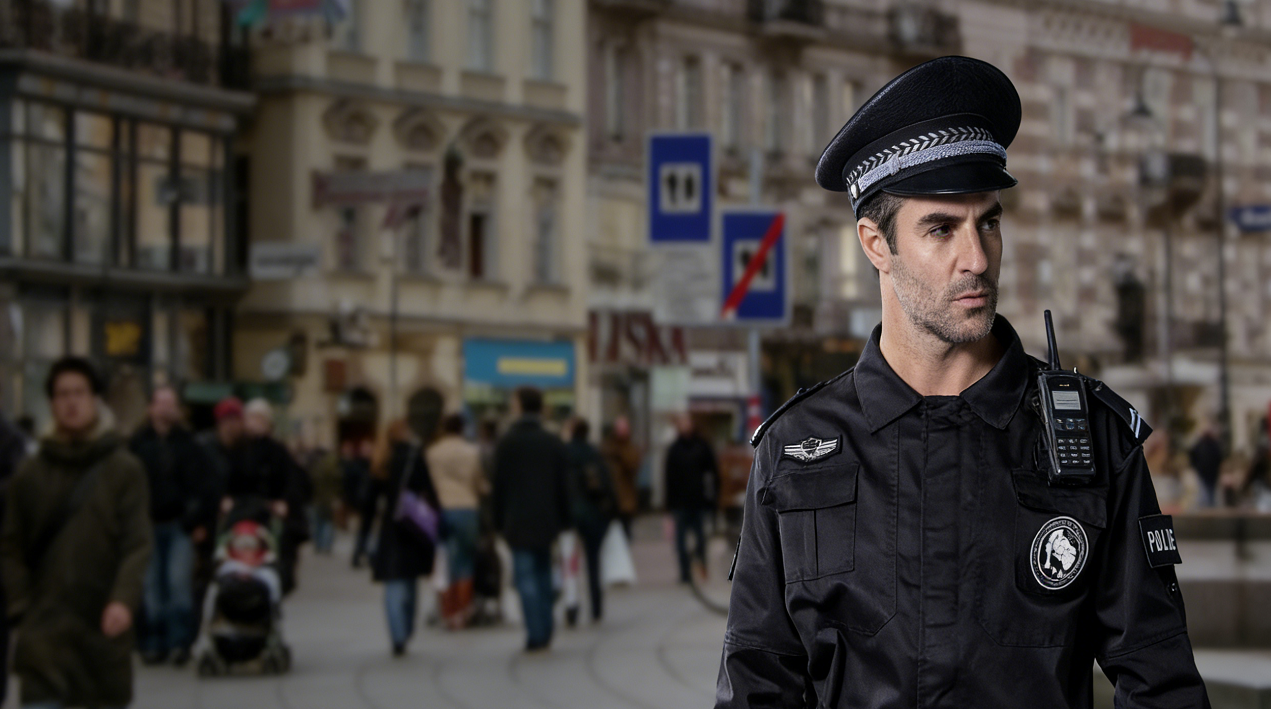
Common Sense We Should Know in Public Safety
Let's start with the basics that everyone in public safety needs to understand.
Communication can literally save lives. I'm not being dramatic here. When seconds count during an emergency, you need gear that works constantly and no dropped calls. No dead batteries at the worst possible moment.
Here's what the numbers tell us: according to the National Council of State Legislatures, approximately 240 million calls are made to 911 centers in the U.S. annually. That's about 657,000 emergency calls every single day. And research shows that better communication technology saves lives - a study found that Cellphone Trouble - IAED Journal compared to landlines, thanks to faster response coordination.
For traffic accidents specifically, public safety alert and response time is everything. Research published in JAMA Surgery found that Association Between Emergency Medical Service Response Time and Motor Vehicle Crash Mortality in the United States - PubMed. When response times exceeded 12 minutes compared to under 7 minutes, the mortality rate was 46% higher. Every minute counts.
Think about it this way: when a firefighter is inside a burning building, their radio is their connection to the outside world. When a police officer calls for backup, they need to know that message is going through loud and clear. When paramedics are coordinating with the hospital during a medical emergency, every word matters.
Your radio isn't just another piece of equipment. It's your lifeline.
Here's what you absolutely need to get right:
Crystal clear audio - If you can't hear the message, it doesn't matter how good your radio is. Background noise, interference, and poor signal strength can all be deadly in emergency situations.
Reliable coverage - Your radio needs to work everywhere. In buildings, underground, in remote areas, during disasters when cell towers might be down. Everywhere.
GPS tracking - Real-time location tracking is essential for safety and coordination. Dispatchers need to know exactly where every unit is at all times. When an officer hits the emergency button, GPS instantly shows their location. This feature has saved countless lives.
Battery life that lasts your entire shift - Nothing worse than your radio dying halfway through a 12-hour shift. Professional radios need to go the distance.
Durability - Public safety work is rough. Your radio needs to handle drops, weather, dust, and whatever else the job throws at it.
Security - Sensitive communications need to stay private. Encryption isn't optional anymore.
Other Advanced features - take body cameras or so-called police camera as an example, look for starlight night vision - because emergencies don't only happen during the day. Low-light recording capabilities ensure you capture clear footage even in dark conditions. Also Anti-shake technology of body camera is important. When officers are running, fighting, or dealing with high-stress situations, their cameras are moving constantly. Anti-shake keeps the footage stable and usable, which is important for evidence and documentation.
The bottom line? Don't cheap out on communication equipment. Ever. Your team's safety depends on it.
What is a Complete Communication Solution?
A lot of people think public safety communication is just about buying radios. Not even close.
A complete communication solution has multiple pieces working together.
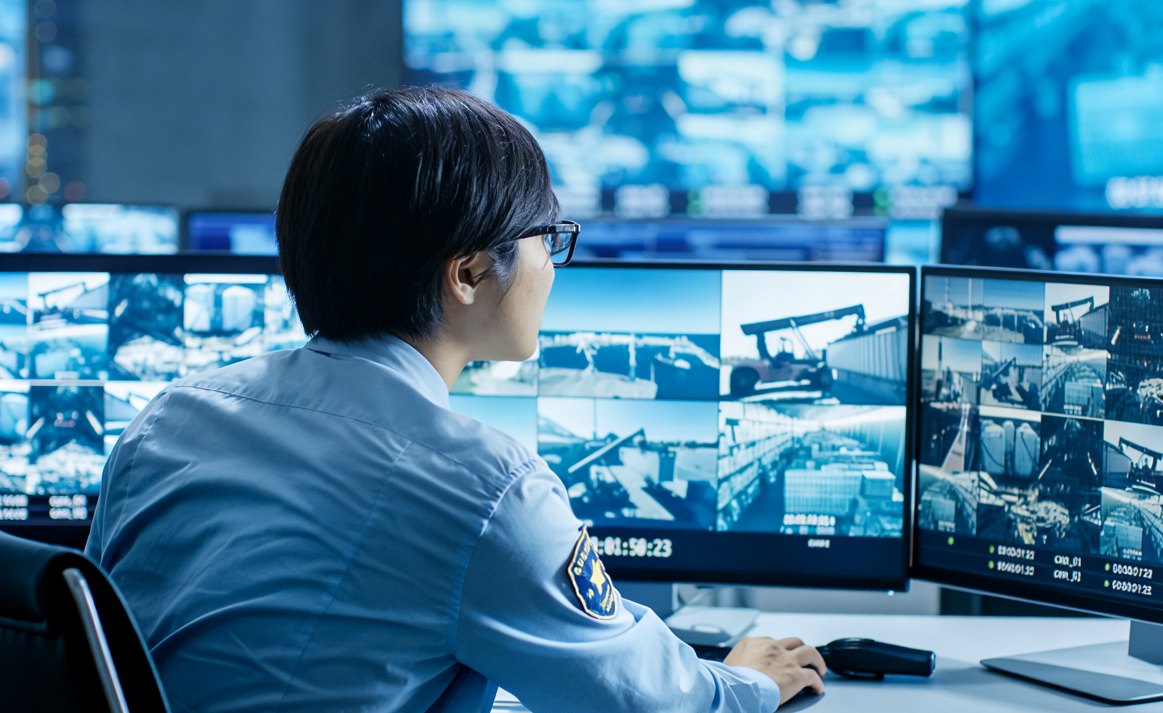
The radios themselves - Handheld portables for officers on foot, mobile radios for vehicles, and specialized equipment for specific situations.
The network infrastructure - Repeaters, towers, and base stations that ensure your signal reaches everywhere it needs to go.
Dispatch software - Modern dispatch centers use sophisticated software to track units, manage calls, and coordinate responses.
Recording systems - For legal and training purposes, most agencies record their radio traffic for accountability.
Integration with other systems - GPS tracking, body cameras, and computer-aided dispatch all need to work together smoothly.
Backup systems - Multiple layers of backup ensure communication never stops when the main system goes down.
Talkin about this, I have to share with my readers, at Hytera, we help agencies build complete communication ecosystems that fit their specific needs and budget. One size definitely doesn't fit all in public safety.
Real Public Safety Scenerios
Let me show you how this all works in the real world. These are actual scenarios we see every day.
Police Patrol
Here is a paper that tells the story: Police radio communication is the backbone of effective patrol operations. According to research published in the Police Radio Communications as a Measure, radio transmissions have a direct relationship with calls for service, recorded crime incidents, and arrests, making it a valuable measure of police activity and effectiveness.
Picture this: An officer is on routine patrol when they spot a vehicle matching the description of one involved in an armed robbery. They need to call it in, request backup, and coordinate with other units - all while keeping eyes on the suspect. Their radio needs to work flawlessly. They hit the push-to-talk button and instantly connect with dispatch. Their location is automatically transmitted via GPS. Nearby units hear the call and start heading their way. The whole thing happens in seconds.
Modern police radios also integrate with license plate readers, body cameras, and in-car computers. When an officer makes a traffic stop, dispatch can pull up the vehicle's information and the officer's body camera starts recording automatically.
Talking about body cameras, they definitely have become essential equipment for police work. They provide an objective record of interactions, protect both officers and citizens, and serve as valuable evidence in investigations. The best systems integrates with radios - when an officer keys up their radio or activates an emergency alert, the body camera automatically starts recording.
This level of integration keeps officers safer and makes their jobs easier. It's not just about talking anymore - it's about sharing information in real time and documenting everything for accountability and safety.
Recommended Solution: HP78X + Mobile Radios + E-center+ Body Cameras
For police patrol operations, we typically recommend the HP78X portable radio for officers on foot. It's rugged, has excellent battery life, and includes GPS tracking and emergency alert features. Pair that with our mobile radios in patrol vehicles for higher power and better range. Add body cameras that integrate with the radio system for automatic recording triggers. The E-center dispatch software ties everything together, giving dispatchers real-time visibility of all units, seamless communication management, and access to recorded footage when needed.
Major Event Security
Ever wonder how security works at a huge concert or sporting event with 50,000 people?
It's all about communication and coordination. You've got security teams spread across a massive venue - parking lots, entrances, concourses, seating areas, backstage. Everyone needs to be on the same page.
The challenges are real: According to a survey by the Current Threats and Emerging Trends in Sports Safety and Security, 65% of event security directors say inappropriate fan behavior has gotten worse than it was 10 years ago. And research by ASIS International found that 83% of Americans are concerned about criminal attacks at large-scale events. That's why communication is so important.
Radio systems for major events use talk groups to organize communications. Gate security has their own channel. Medical teams have theirs. Supervisors can monitor multiple channels at once. If something happens in one area, the right people are notified immediately.
We worked with a stadium that hosts major sporting events and concerts. They use a trunked radio system that automatically assigns channels as needed, so teams never run out of available frequencies even with hundreds of radios active at once.
During one event, medical teams spotted someone having a medical emergency in the upper deck. Within 90 seconds, they had paramedics on scene with equipment because the right people got the right information instantly. That's the power of good communication.
Body cameras are becoming standard for event security too. If there's a disturbance or incident, security has a video record of exactly what happened. This protects everyone involved and provides clear evidence if needed later. When integrated with the radio system, supervisors can even view live feeds from body cameras during critical incidents.
Recommended Solution: HP78X + Repeaters + E-pack200 + Body Cameras
For major events, especially temporary ones, the E-pack200 is perfect. It creates instant coverage anywhere you need it. Security teams get HP78X radios that are easy to use and reliable. For permanent venues, we add repeaters to extend coverage throughout the entire facility. Body cameras for security personnel provide video documentation and integrate with the communication system. This combination handles hundreds of users without breaking a sweat and ensures complete situational awareness.
Emergency Rescue (Fire & EMS)
This is where communication becomes absolutely critical. Firefighters and paramedics work in high-stress, dangerous environments where every second counts.
When firefighters enter a burning building, they're operating in extreme conditions. Smoke, heat, limited visibility, structural dangers. Their radios need to work perfectly because their lives depend on it.
The scope is massive: According to the Fire Department Overall Run Profile (2020), fire departments responded to nearly 27 million incidents in 2020. Here's the surprising part - 64% of those calls required EMS and rescue services, while only 4% were actual fires. This shows just how much fire departments rely on communication for all types of emergencies.
Fire ground communications use specific protocols. Incident commanders need to track which crews are where, monitor air supply, and coordinate the overall response. Interior crews need to report conditions and call for help if something goes wrong.
EMS teams face their own challenges. Paramedics need to communicate with hospitals while treating patients in the field. They share vital signs, medical history, and treatment plans so the emergency room is ready when they arrive.
Body cameras are increasingly used in fire and EMS operations too. They provide documentation for training purposes, help incident commanders see what crews are experiencing in real-time, and create records for investigations when things go wrong. In EMS, body cameras can capture patient interactions and treatment procedures for medical-legal documentation.
Modern systems include features like emergency alerts - if a firefighter goes down or stops moving, their radio automatically sends a distress signal. Location tracking shows exactly where they are. Body cameras can automatically start recording when these alerts trigger. These features save lives.
Recommended Solution: HP78X + E-center + E-pack200 + Body Cameras
Fire and EMS need the most rugged, reliable equipment available. The HP78X is built for extreme conditions with emergency alert features and man-down detection. E-center helps coordinate complex multi-unit responses and track personnel. For disaster scenarios or remote incidents, the E-pack200 provides instant communication infrastructure when the regular system is unavailable or damaged. Body cameras designed for harsh environments provide crucial documentation and real-time situational awareness for command staff. This combination is literally life-saving equipment.
Traffic Management
Traffic management is more complex than most people realize. You've got traffic engineers, road crews, police, and sometimes emergency services all needing to coordinate.
When there's a major accident on the highway, traffic management teams spring into action. They need to reroute traffic, set up detours, manage electronic signs, and coordinate with emergency responders.
Traffic congestion has serious impacts: A recent survey by The growing challenge of traffic congestion on emergency response times found that 49.5% of first responder agencies reported worsened response times in 2024 compared to 2023. Research published in Emergency medical service providers and experiences with traffic congestion shows that traffic congestion adds nearly 10 minutes of extra response time on average. That's why coordinated traffic management communication is so important.
Radio communication ties it all together. The traffic management center can talk to field units, adjust signals remotely, and keep everyone updated on changing conditions.
I've seen cities cut incident clearance times by 30% just by improving their communication systems. Faster clearance means less congestion, fewer secondary accidents, and people getting home sooner.
Recommended Solution: HP78X + Mobile Radios + E-center
Traffic management needs both mobile and portable solutions. Mobile radios in traffic management vehicles provide high-power communication for field supervisors. HP78X portables work great for road crews who are out directing traffic or setting up signs. E-center at the traffic management center keeps everyone coordinated and provides interoperability with police and emergency services.
What's Popular Product in Public Safety
The public safety communication world is changing fast. Let me show you some of the solutions that agencies are choosing right now.
HP78X - The Workhorse Radio
The HP78X is built to handle anything public safety throws at it. It meets military durability standards, handling drops, dust, water, and extreme temperatures.
It delivers crystal clear digital audio, long battery life, GPS tracking, and emergency alert features. When an officer needs help, they can trigger an emergency alert that immediately notifies dispatch and other units of their exact location. Whether you're in a concrete building or out in a rural area, it stays connected to the network. See it in action across all our real-world case studies.
14E-pack200 - Your Command Center in a Box
The E-pack200 is a portable communication system that you can set up anywhere in minutes. Think of it as a mobile command center that fits in a backpack.
When disaster strikes and your regular infrastructure goes down, the E-pack200 keeps teams connected. It creates its own network, so first responders can communicate even when everything else fails. We've seen agencies use it for natural disasters and large outdoor events where there's no existing coverage. See how it works in our Major Event Security and Emergency Rescue case studies.
E-pack 200
10E-center - Smart Dispatch Made Simple
The E-center is our dispatch solution that brings everything together in one place. Dispatchers can see where all their units are in real time on a map, manage multiple talk groups, record conversations for legal purposes, and coordinate responses effectively. The interface is clean and easy to use.
E-center scales well - small departments can start with the basics, and larger agencies can add advanced features as they grow. It works with our radio systems seamlessly.
49SC880 - Smart Body Camera with Radio Integration
The SC880 integrates seamlessly with our radio systems. When an officer keys up their radio or triggers an emergency alert, the SC880 automatically starts recording. No fumbling with buttons in high-stress situations.
The video quality is excellent, even in low light conditions. It's built to the same rugged standards as our radios. The battery lasts a full shift, and the secure storage ensures footage can't be tampered with.
The SC880 can provide live video feeds during critical incidents, giving decision-makers real-time situational awareness. Learn more about how body cameras work in Police Patrol and other scenarios.
50Putting It All Together
These products work together as a system. The HP78X radios connect through the E-pack200 when you need portable coverage, the SC880 body cameras sync with the radios automatically, and everything feeds back to dispatchers using E-center. It's designed to work together from the start, so you're not piecing together equipment from different manufacturers.
Frequently asked questions
Q: Why can't we just use cell phones instead of radios?
A: Great question! Cell phones are awesome for everyday use, but they have serious limitations in emergencies. Cell towers can get overloaded during major incidents when everyone's trying to call at once. Towers can also be damaged or lose power during disasters. Plus, cell phones don't offer the instant group communication that radios provide. When you key up a radio, everyone on that channel hears you immediately - no dialing, no ringing, no waiting.
Q: How far do public safety radios reach?
A: It really depends. Handheld radios or walkie talkies might reach a few miles on their own, but with repeaters and a proper network, you can cover an entire city or county. The terrain makes a big difference too. Flat, open areas get better range than cities with tall buildings or mountainous regions.
Q: What's the difference between VHF and UHF radios?
A: VHF (Very High Frequency) works better in open areas and has longer range, but struggles inside buildings. UHF (Ultra High Frequency) doesn't go quite as far outdoors, but it penetrates buildings much better. Most public safety agencies use UHF for this reason.
Q: How much does a complete public safety communication system cost?
A: This varies wildly based on size and requirements. A small department might spend $50,000-$100,000. A large city could invest millions in a comprehensive system. The good news is that systems can scale - you can start with the basics and expand over time.
Q: Can different brands of radios talk to each other?
A: Sometimes, but it's complicated. Most digital radios use standards that should allow interoperability, but in practice, it's often easier if everyone's using compatible equipment. That's why many regions standardize on specific systems.
Q: How often do radios need to be replaced?
A: Quality public safety radios typically last 7-10 years with proper maintenance. However, technology advances quickly, so some agencies upgrade sooner to take advantage of new features.
Want to learn more about building the right communication solution for your agency? We're here to help. At Hytera, we work with public safety teams every day to design systems that keep communities safe and officers connected.
Stay safe out there!

Claire He
Related Articles
 Hytera Global
Jul 03, 2019
Hytera Global
Jul 03, 2019
 Hytera
Apr 24, 2026
Hytera
Apr 24, 2026