

Digital Mobile Radio 101: Your Simple Guide to DMR Radio




Two-way Radio
A few months ago, I wrote a blog about walkie-talkies. As I kept researching and talking with colleagues, one question kept coming up again and again: “What exactly is DMR?” After reading many documents and learning from industry experts, I finally got the full picture.
DMR stands for Digital Mobile Radio, and it's basically the modern upgrade to traditional analog walkie-talkies. Think of it like the difference between an old flip phone and a smartphone. Both can make calls, but one delivers better quality and many more features.
In this guide, I'll walk you through the basics of DMR radios, how they work, and why so many businesses are switching to this digital technology.
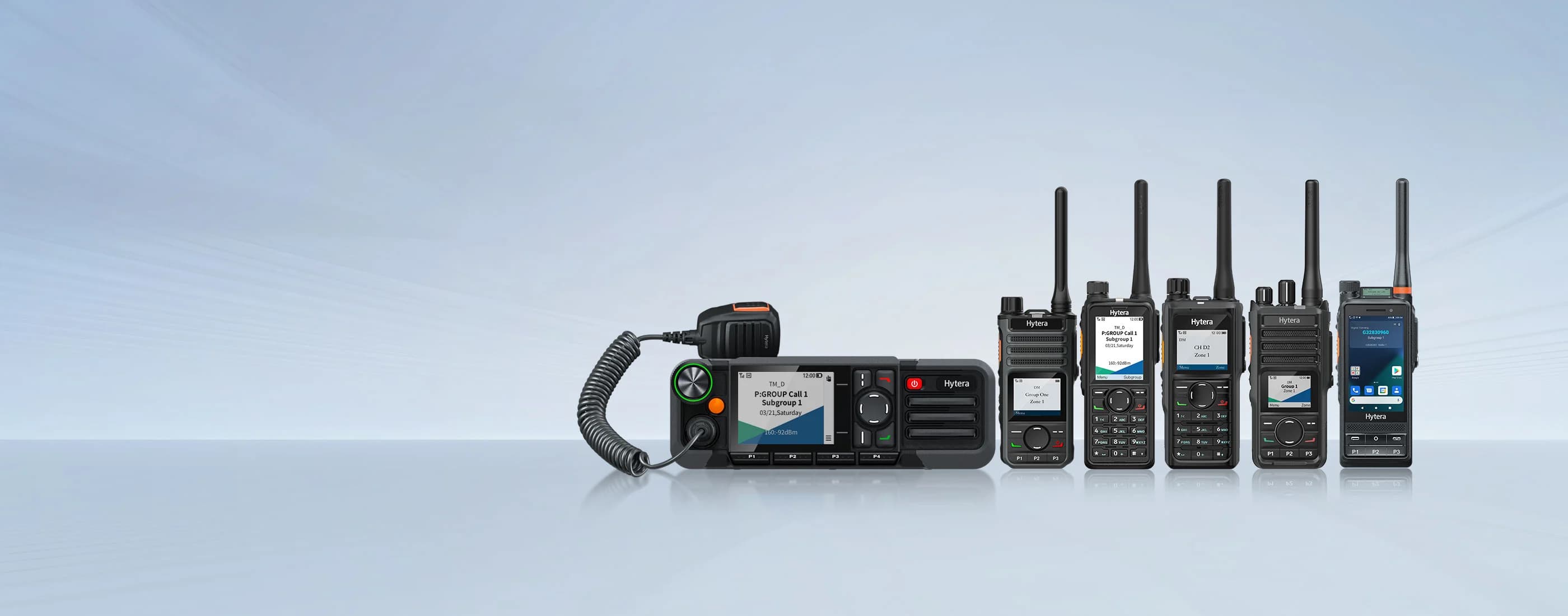
What Is Digital Mobile Radio (DMR)?
Digital Mobile Radio (DMR) is a global open standard for professional two-way radios.
Instead of sending your voice as an analog signal, DMR converts your voice into digital data, transmits it over the air, and then converts it back into voice on the receiving radio.
The standard was developed by the European Telecommunications Standards Institute(ETSI) and promoted by the DMR Association.
DMR was first introduced in 2005, and after nearly two decades of use, it has proven to be a reliable communication solution for millions of users around the world.
Why Digital Matters? Digital technology improves radio communication in several important ways.Compared with traditional analog radios, DMR offers:
- Clearer audio quality with less background noise
- Longer battery life(usually twice as long)
- More advanced features, such as text messaging and GPS
- Two conversations on one channel simultaneously
- Works between different manufacturers
Because DMR is an open standard, radios from different brands can communicate with each other if they support the same protocol.
How Does DMR Radio Work?
You don't need to understand every technical detail, but knowing the basics helps explain why DMR works so well.
Voice Becomes Digital Data
When you speak into a DMR radio, your voice goes through several quick steps:
- The radio converts your voice into digital data
- The data is compressed to reduce bandwidth
- The signal is transmitted over the air
- The receiving radio converts the data back into voice
- This process happens almost instantly, so conversations feel natural and immediate.
Time Division Multiple Access (TDMA)
One of the key technologies behind DMR is Time Division Multiple Access, or TDMA. TDMA divides a single radio channel into two time slots. This allows two separate conversations to share the same frequency at the same time.
For example: a warehouse team could communicate on slot 1,a security team could use slot 2 . Both groups use the same channel without interfering with each other. This effectively doubles the communication capacity of the channel.
Better Battery Efficiency
Because DMR radios only transmit during their assigned time slot, they are active about half the time compared to analog radios. Less transmission time means lower power consumption, which is why DMR radios often deliver much longer battery life.
Digital Error Correction
DMR radios also use digital error correction technology.If small parts of the signal are lost during transmission, the system can often recover the missing data automatically. This helps maintain clear audio even in weaker signal areas.
Benefits of Using DMR Radios
Businesses in many industries are moving from analog to DMR radios because of the practical advantages they provide.
Clear Audio
Digital audio is typically much clearer than analog communication. Instead of hearing static or interference, users usually receive clear voice audio until the signal becomes too weak. This can make a big difference in noisy environments like warehouses, factories, or construction sites.
Longer Battery Life
DMR radios usually consume less power because they transmit for shorter periods of time. This often allows teams to complete a full shift without needing to change or recharge batteries.
Higher Channel Capacity
With two time slots available on a single channel, organizations can support more conversations without needing additional frequencies. This is especially helpful for companies operating in crowded radio environments.
Additional Features
DMR radios support features that are difficult or impossible with analog systems, including: text messaging,GPS location tracking,emergency alerts,individual calls,group communication,integration with phone systems. These capabilities help improve coordination and response times.
How Far Can DMR Radios Go
In general, DMR radios can cover anywhere from a few hundred meters indoors to 1-5 kilometers or more outdoors. The exact range depends on factors like radio power, frequency, terrain, and obstacles such as buildings or trees.
In dense urban areas, the signal may be reduced due to walls and structures, while in open rural environments, the range can extend much farther.
Using repeaters can significantly increase coverage by receiving and retransmitting signals, allowing communication across large areas or entire campuses.
How to Program a DMR Radio
Programming a DMR radio means setting up frequencies, channels, talk groups, and encryption if needed. The exact steps depend on the radio's brand and model.
Traditionally, this requires a programming cable and the manufacturer's software (or a compatible third-party app). Hytera DMR radios make it even easier—they can be programmed via Bluetooth using the HyTool Radio Manager app on your smartphone, or remotely through WLAN, giving you more flexibility and convenience.
Where Are DMR Radios Used
DMR radios are widely used across many industries where reliable communication is important.
Manufacturing and Warehousing
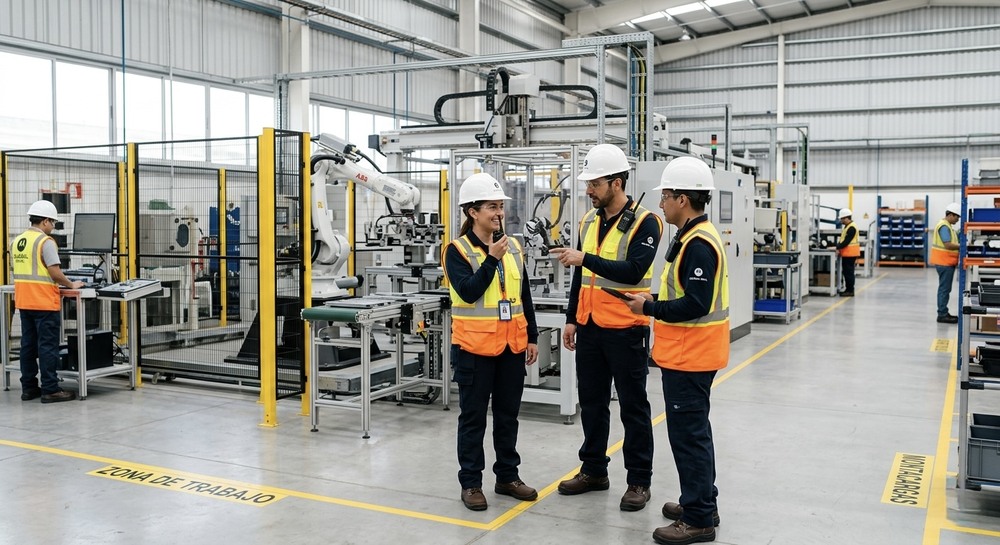
Factories and warehouses are often noisy environments with large areas to cover. DMR radios help workers communicate clearly even when machinery is running. Digital audio and noise reduction make it easier to understand messages the first time. Managers can also track team locations through GPS, helping coordinate tasks more efficiently.
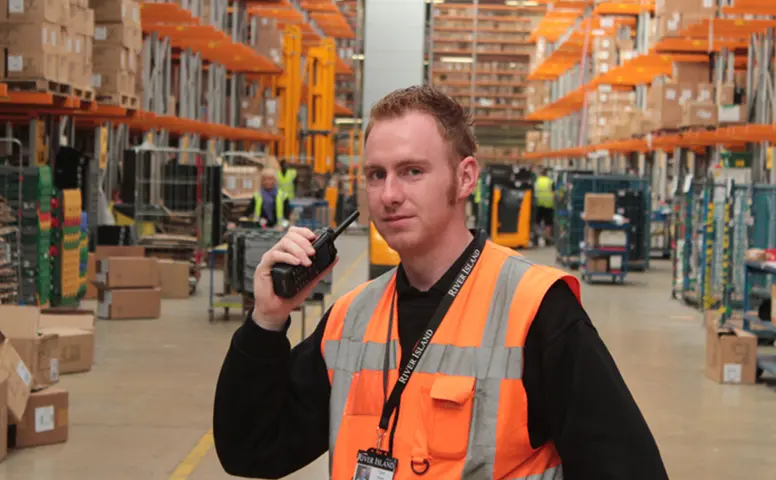
Here is a real case study,in the UK, River Island's distribution center upgraded from analog to Hytera DMR radios, eliminating coverage blind spots and allowing security and operations teams to communicate clearly at the same time on one frequency.
Security Teams
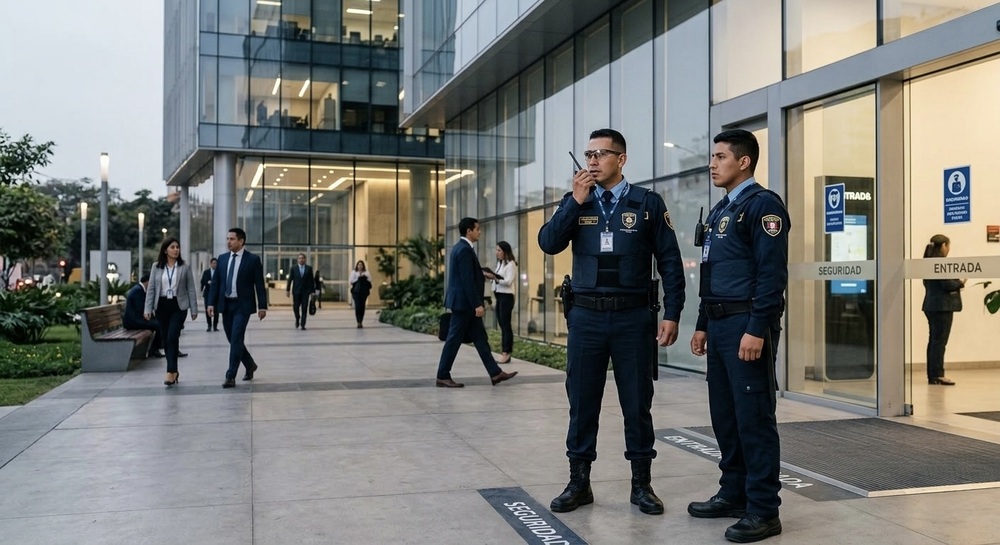
Security teams rely on fast and reliable communication. DMR radios support emergency alerts that allow an officer to quickly signal for help. Some systems can also share the officer's GPS location with the rest of the team. Talk groups allow different units—such as patrol teams, control rooms, and supervisors—to communicate without overcrowding the same channel.
Construction Sites
Construction environments can be tough on equipment. Professional DMR radios are designed to handle dust, rain, and drops. Large construction projects also benefit from the extended coverage provided by repeaters and higher-power mobile radios. Text messaging can also be helpful for sharing short updates or safety notices with multiple workers.
Hospitality and Events
Hotels, convention centers, stadiums, and event venues often use DMR radios to coordinate staff. Clear communication helps teams manage guest services, security, and operations during busy events. Features like individual calls allow staff members to communicate directly without interrupting the entire team. According to a real case at Bali Paragon Hotel, Hytera DMR radios with a repeater eliminated coverage blind spots across the property, helping staff coordinate faster and deliver smoother service to guests.

DMR vs Analog Radios: The Differences
Many organizations still use analog radios, but digital systems offer several improvements.
| Feature | Analog Radio | DMR Radio |
| Audio Quality | Degrades with distance and interference | Clear until signal is lost |
| Battery Life | Standard (8-12 hours typical) | 2x longer (16-24 hours typical) |
| Channel Capacity | 1 conversation per channel | 2 conversations per channel |
| Coverage | Good | Better (20-30% more coverage) |
| Text Messaging | No | Yes |
| GPS Tracking | No (unless added separately) | Built-in capability |
| Emergency Alerts | Basic | Advanced with GPS location |
| Encryption | Difficult/expensive to add | Built-in digital encryption |
| Cost (upfront) | Lower | Higher |
| Cost (long-term) | Higher (batteries, more infrastructure) | Lower (efficiency gains) |
For small teams with simple communication needs, analog radios may still work well.
However, companies that need better audio quality, more capacity, or advanced features often benefit from upgrading to DMR.
The transition can also be gradual. Many DMR radios support both analog and digital modes, allowing organizations to migrate step by step.
Typical DMR Radios
A professional DMR system usually includes three main elements.
Portable Radios
Handheld radios are the most common devices used by staff members in the field. They provide mobility and easy push-to-talk communication.For instance, S1 Pro is the best choice for restaurant, luxury hotel or clubs. As it is both fashionable and efficient with functions like noise cancellation, private call and long-lasting battery.
For more demanding environments, I'd like to mention two intrinsically safe DMR portable two-way radio: Hytera HP79XEx IIC and Hytera HP79XEx IIA. These are explosion-proof radios designed for hazardous environments such as oil and gas facilities, chemical plants, and mining operations.
You may notice the labels IIC and IIA in the product names. These refer to different explosion protection gas groups, which indicate the level of protection required in potentially explosive atmospheres.
IIC and IIA indicate explosion-proof ratings for different gases. IIC is for highly explosive gases like hydrogen or acetylene, while IIA is for less volatile gases such as propane.
An IIC-certified radio can safely work in IIA environments, but not always the other way around.
These radios are built to prevent sparks, heat, or electrical faults from igniting gases or dust, making them essential for safe communication in hazardous industrial sites.
Explosion-proof radios like these are built with special protective designs that prevent sparks, excessive heat, or electrical faults from igniting surrounding gases or dust. This makes them an important communication tool for workers operating in hazardous industrial sites where safety is the top priority.
Mobile Radios
Mobile radios are installed in vehicles and typically use higher power, giving them a longer communication range. For example, the Professional DMR Mobile Two-way Radio HM78X can be used in vehicles, motorcycles, control rooms, or ships, providing reliable communication across different environments. It supports multiple connections and applications, making it easy to integrate into existing systems and improve overall communication efficiency.
Frequently Asked Questions
Q: Can DMR radios communicate with analog radios?
A: Yes. Many professional radios support both analog and digital modes, making it possible to communicate with older systems during a transition period.
Q: Do DMR radios require a license?
A: In most countries, businesses must obtain a license from the local regulatory authority to operate professional two-way radio systems.
Q: How far can DMR radios communicate?
A: Communication range depends on terrain, buildings, and radio power. Handheld radios may cover 1–5 miles, while systems using repeaters can extend communication to much larger areas.
Q: How do you program a DMR radio?
A: Programming a DMR radio involves setting frequencies, channels, talk groups, and encryption if needed. For Hytera radios, you can do this with a programming cable and software, or more easily via Bluetooth using the HyTool Radio Manager app or remotely through WLAN.
Q: Are DMR radios secure?
A: DMR technology supports digital encryption, which helps protect communications from unauthorized listeners.

Claire He
Related Articles
 Hytera Global
Mar 28, 2024
Hytera Global
Mar 28, 2024